
〜エコライフの基本は買ったものを大切に長く使うこと。南米チリの衣類ゴミの山を念頭に置いて。The basics of an eco-life is to use what you bought with care and use it for a long time. Keeping in mind the mountain of discarded clothes in Chile.〜
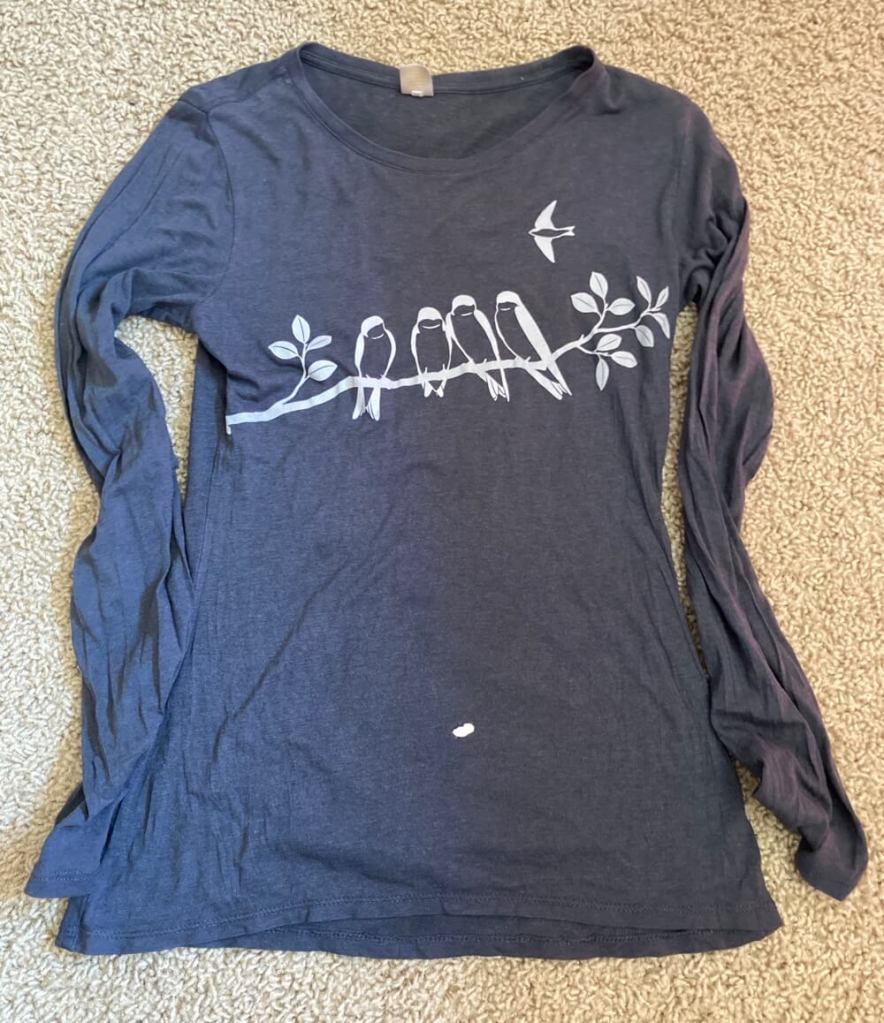
のんびりとした天気のいい土曜日。穴が空いてしまったお気に入りのジャージのズボンとTシャツをお直しすることにしました。
A relaxing sunny Saturday. I decided to fix my favorite sweat pants and T-shirt with a hole.


まずはズボンから。最初に、パッチを2枚作って、表にくる方には顔を刺繍する。パッチは、以前作った抱き枕のカバーの残り布を使っています。ストレッチ素材なのでTシャツやジャージのパッチに最適。
Start with sweat pants. First, make two patches and embroider a face on one of them. I used a leftover cloth from the body pillow cover I made before. Because it is a stretch material, it can be used as patches for T-shirt and sweat pants.
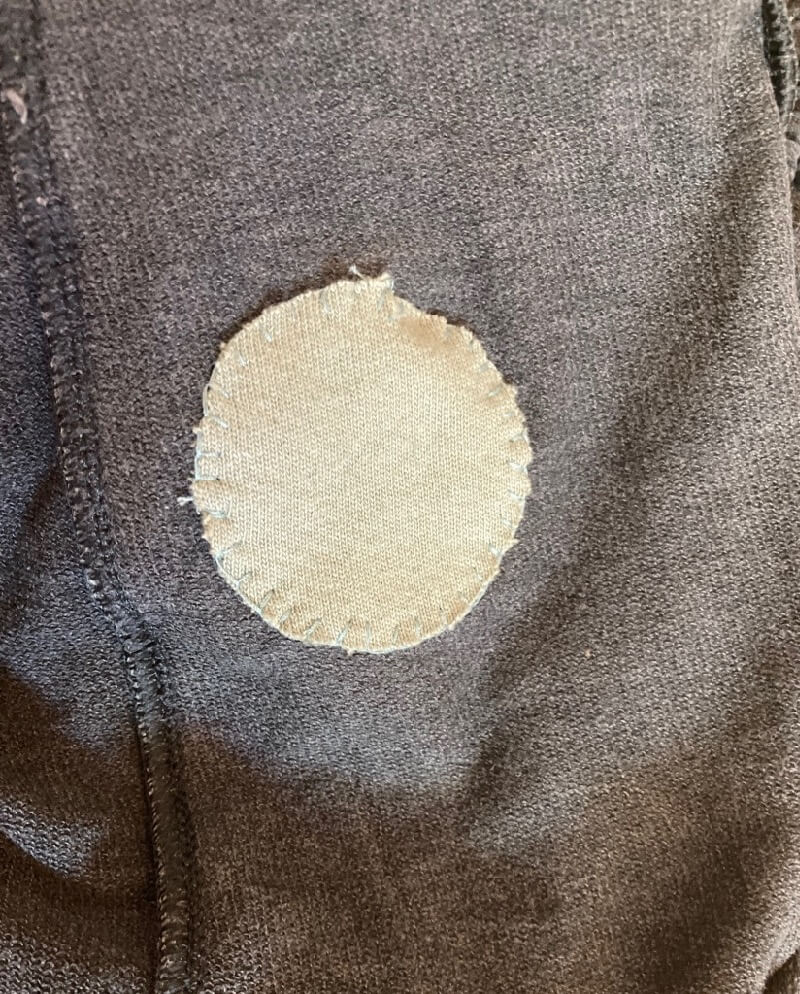
次に、顔のないパッチをズボンの裏にあて、かがり縫い。
Next, put the faceless patch on the back of the pants and do a overlock stich.

そして、ズボンを表に返す。
Then, turn your pants over.
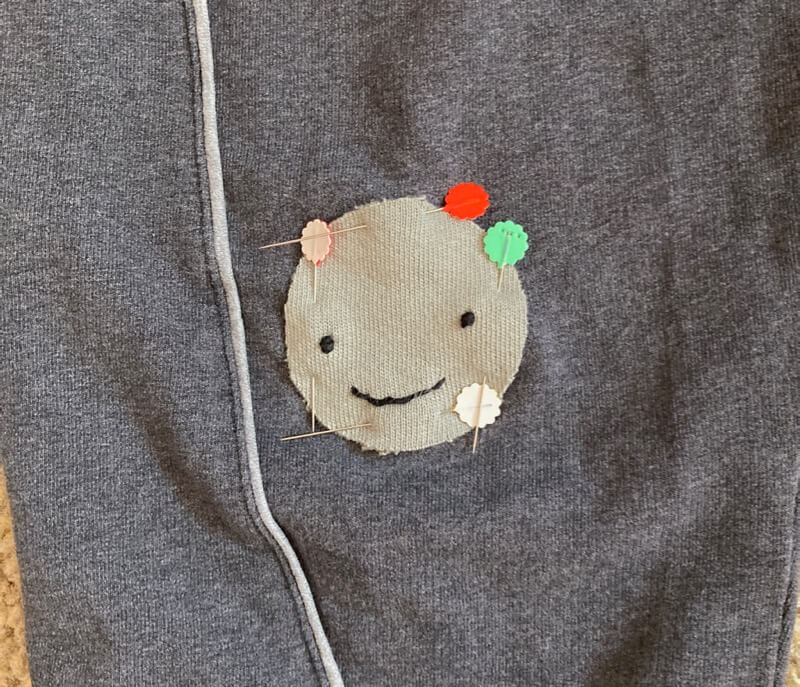
顔のついたパッチを表にあて、まち針で留める。そして、周りをかがり縫い。
Place the patch with the face on the front and fasten it with pins. Then overlock around.
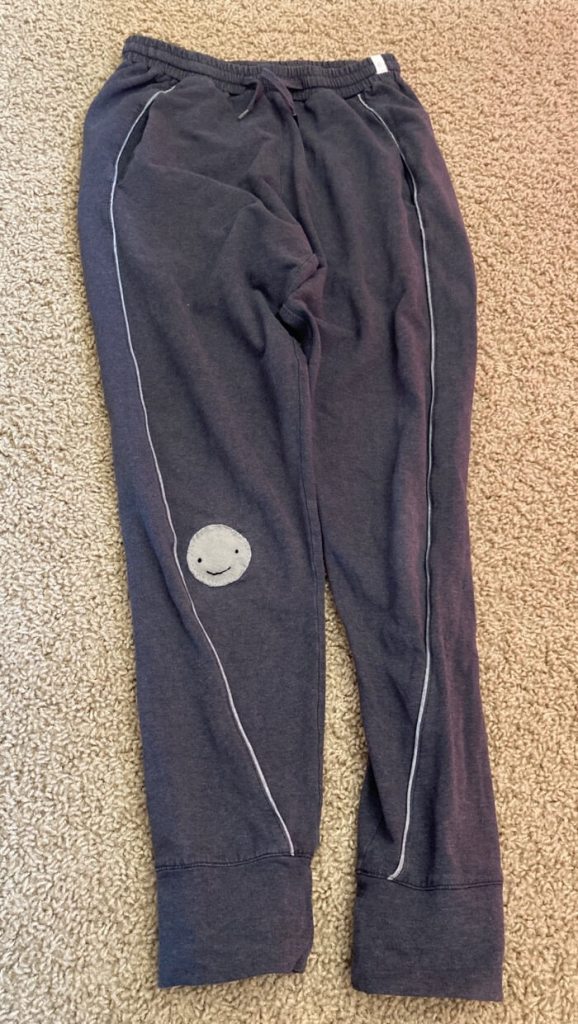
Tシャツも同じように修繕。ジャーン。完成。使ってないポケットから共布を取ったり、長いTシャツの裾を短くして共布を取ることもできたのですが、今回は茶目っ気を入れてみました。(お願い!ダサいって言わないで。ダサかわいいですよ)。
T-shirts was also repaired in the same way. Ta-Da. Complete. I could have taken a same fabric from an unused pocket or have shortened the hem of the T-shirt and used it to patch, but this time I tried to be playful (Please! Don’t say it is ugly. It’s ugly-cute.).

ついでに、衣類ゴミの話を。インターネットで無料の画像を探していたら、無料画像は見つからなかったけどNHKの記事を発見(リンクはここ)。日本でもこの問題、取り上げられていたんですね。私は恥ずかしながら数ヶ月前まで知りませんでしたー。
While I am at it, the story of unwanted clothing. When I was looking for free images on the Internet, I could not find any but found an NHK (Japanese TV station) article (link here). This issue was raised in Japan as well. I’m ashamed to say I didn’t know this until a few months ago.
南米チリのアタカマ砂漠。こんなことで有名になってしまってかわいそうですが、年間3万9千トンもの不要な衣類(売れ残りや古着)が違法投棄されています。宇宙から衛星で見ることができるほど。見た目もひどいですが、多くの衣類に化学繊維が使われているので、火災が発生したり環境汚染の原因になっています。一番画像が多いのはAFPBBニュースかな(リンクはここ)。グローバルサウスを先進国のゴミ溜めにすんじゃねー。
Chile’s Atacama Desert. It’s a pity that it’s become famous with this, but 39,000 tons of unwanted clothes (unsold and old clothes) are illegally dumped every year there. It can be seen from space with a satellite. It looks terrible for the eyes, AND many of our clothes are made with synthetic fibers, so it is causing fires and polluting the environment. The article with the most images is probably AFPBB News (link here). Don’t turn the global south into a garbage dump for the developed nations!
以前投稿した「不要な服の果て」で私が古着の処分に利用しているのはTexGreen。心配になって調べたところ、アメリカで集められた不要なテキスタイルはヨーロッパで売られているそうです。信用したいよね。。。
TexGreen is what I use to dispose of my unusable clothes as I wrote in my blog “Destination of our Unwanted Clothes“. Concerned, I did some research about them and found out that unwanted textiles collected in America were being sold in Europe. I want to trust you. . .
それにしても、20~30年前と比べて色々な品物の品質が低下してますよね。服の縫製も素人目に見てもひどい。仕事場でもらった不織布のエコバッグもまだ数回しか使ってないのに2回直しています。何でこんな簡単なものもちゃんと作れないのか?逆に、25年前に買ったスーツは相当着用したにもかかわらず、ほつれも破れもなく、形も当時のままです。
Anyway, compared to 20 to 30 years ago, I feel that the quality of various items has declined. Even from amateur’s eyes, the quality of sewing looks terrible. I was given a non-woven reusable bag from work and only used it a few times, but I already had to repair it twice. Why can’t they make something this simple right? Conversely, the business suit I bought 25 years ago has no fraying or tearing, and the shape remained the same, even though I wore it so many times.
直すよりも新しいものを買った方がコスパのいい時代。でも、ゴミを出すことは環境を汚染すること。また、新しいものを作るには資源とエネルギーが必要です。これが実は最大の環境汚染。安いものを買ってダメになったら捨て、新しいものを買う。こんなことを続けていたら地球がいくつあっても足りないですよね。財布に優しくても地球に優しくない。コスパ重視の考え方を改める時が来てるんじゃないでしょうか?(って、こんなこと言ってる私ってもう古い?若い子はコスパ重視なんてダサいと思ってる?)
It’s the era when you buy a new one for better cost performance instead of repairing. But trashing pollutes the environment. Also, creating new
things requires resources and energy. This is actually the biggest environmental pollution. You buy cheap one and throw it away when it becomes useless, and buy a new one. If we keep doing this, no matter how
many earths we have, it will not be enough. It’s nice to your wallet, but it’s not nice to the planet. Isn’t it time to change the mindset of focusing on cost performance? (So, am I an old lady to say this? Do young people
think that focusing on cost performance is lame?)

 オレゴンエコライフ Oregon Eco Life
Leave a comment