
〜ハロウィーンの物が店頭に並んでますね。店にあるものは偽物。でもこの話は本物です。心して呼んでください。Halloween stuff is sold at stores. Those are made up. But this story is real. Be prepared.〜
以前、水やりのブログで書いたように、ポートランドの夏は晴れている日がほとんど。今日(9月2日)も素晴らしい空が広がっています。そんなある日のこと、薬剤師向けの専門雑誌を読んでいたらこんな記事に出くわしました。
As I wrote in my previous blog about watering, summer in Portland is mostly sunny. The sky is beautiful again today (Sep. 2). One day, when I was reading a magazine for pharmacists, I came across this article.
”人間の気道に溜まるマイクロプラスチック汚染物”
“Microplastic Pollutants Collecting in Human Airways”

How much plastic are we inhaling? The answer is below.
マイクロプラスチックと言えば太平洋ゴミベルト(パシフィック・ジャイアPacific Gyre)が有名ですね。マイクロプラスチックとは、プラスチックの破片で5ミリ以下のものを指します。プラスチックごみが劣化・細分化されたものや、洗濯排水中の化学繊維の小さな破片、また車の走行中に摩耗してできるタイヤの破片などがマイクロプラスチックになります。それらが海に流され、海流によっていくつかの場所に溜まります。
Speaking of microplastics, the Pacific Garbage Patch (Pacific Gyre) is famous. Microplastics are pieces of plastic that are less than 5mm in size. Microplastics include degraded and fragmented plastic waste, small pieces of synthetic fibers in laundry waste water, and pieces of tires that are created while driving. They are washed out to sea and accumulated in several places by ocean currents.
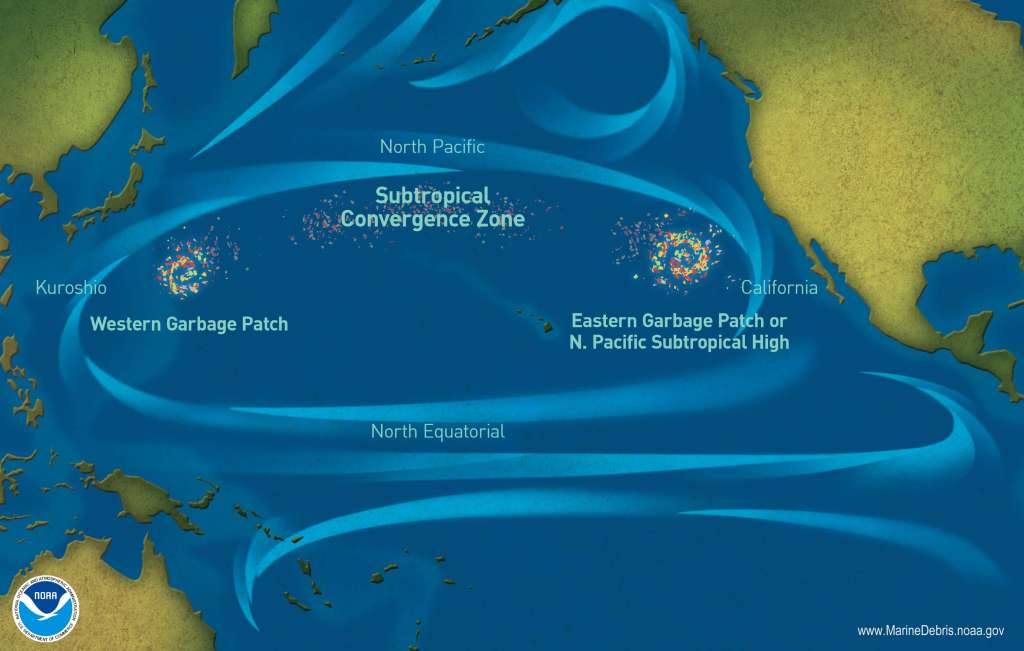
このマイクロプラスチックの何が悪いかというと、魚や海の動物がプランクトンなどの餌だと勘違いして食べてしまうのです。そうすると必要な栄養が取れず、健やかに成長しません。また、プラスチックはPCBやダイオキシンなどの毒物を吸着しやすいので、食べた生物に悪影響が出るだけでなく、生物濃縮されるために海全体の生態系に影響を及ぼします。PCBやダイオキシンはホルモン機能を狂わせ、子孫を残す機能にも影響を与えます。また、魚を食べる私たちも例外ではありません。食べる魚を通して、私たちの体にもマイクロプラスチックと毒物を溜め込んでいます。以前は、水銀などに汚染されていても魚はDHAやEPAなどの体に良い脂肪を含むため、肉よりも体にいいという報告がありましたが、マイクロプラスチックの量も年々増えているため、もう魚が体にいいということが難しくなってきていると言えます。マイクロプラスチックは自然分解されるのに多大な年月がかかるのですが、回収も非常に難しいので、解決の糸口がつかめていないのが現状です。
What’s wrong with these microplastics is that fish and sea animals mistake them for food such as plankton and eat them. If they do, they won’t be able to get the nutrition they need, and they won’t grow healthy. In addition,
plastics tend to absorb toxic substances such as PCBs and dioxins, which adversely affect the organisms that eat them. Not only that, but it also bioaccumulates, affecting the entire ocean ecosystem. PCBs and dioxins disrupt hormone functions and affect the ability to produce offspring. And we who eat fish are no exception. Through the fish we eat, we also accumulate microplastics and toxins in our bodies. In the past, there have been reports that even if fish was contaminated with mercury and other substances, fish is still better for the body than meat because fish contains healthy fats such as DHA and EPA. But the amount of microplastics is increasing year by year, so it is becoming difficult to say that fish is good for
the body. It takes a long time for microplastics to naturally decompose, and it is very difficult to collect them, so the current situation is that we have not found a solution.
で、本題に戻ります。そのマイクロプラスチック、大気中にも浮遊しているんですねー。考えてみたら、タイヤの破片とかはまず大気中に飛ばされるわけですからね。
So back to the topic. These microplastics are floating in the atmosphere, too. Come to think of it, the tire fragments are first blown into the atmosphere.
米国の西部にあるイエローストーン国立公園やユタ州の砂漠、オレゴン州の森林など人里離れた場所を訪れる機会があれば、深呼吸をして、新鮮な空気とともにマイクロプラスティックを吸い込もう──。
Wired “マイクロプラスティックは、大気中を浮遊して世界を汚染する。しかも排出源は大都市だけではない” 04/15/2021
If you ever get the chance to visit a remote location like Yellowstone National Park, the deserts of Utah, or the forests of Oregon in the western United States, take a deep breath and inhale the microplastics along with the fresh air.
Wired “Microplastics are floating in the air and polluting the world. And they’re not just coming from big cities.” 04/15/2021
やだー、オレゴン州の森林でマイクロプラスチックを吸い込もうって、人ごとじゃないよー。しかもこのWiredの記事を読むと、マイクロプラスチックの発生源が郊外の高速を走るタイヤと太平洋に浮かぶマイクロプラスチックから来ているとのこと。オレゴン州はパシフィックジャイアの近くなので、海で発生する雲に乗って、マイクロプラスチックが水蒸気や雨と一緒に陸地にやってくるのでしょう。つまり、日本で発生したマイクロプラスチックがオレゴン州にある我が家の庭で発見されてもおかしくないのです。
Man, trying to inhale microplastics in Oregon’s forests isn’t someone else’s problem. Moreover, according to this Wired article, the source of microplastics is tires running at high speed in the suburbs and microplastics floating in the Pacific Ocean. Oregon is near the Pacific Gyre, so microplastics are likely to come to land along with water vapor and rain on clouds that form in the ocean. In other words, it wouldn’t be surprising if microplastics from Japan were found in my garden in Oregon.
で、この編集長によると、最近の研究で人間は毎時間16.2片のマイクロプラスチックを吸い込んでおり、週に換算するとクレジットカード一枚分になるということです。サイズ(1.6、2.56、5.56ミクロン)や形を変えての実験結果だが、一番大きい5.56ミクロンのマイクロプラスチックは副鼻腔や咽頭などのホットスポットに溜まりやすかったという。小さいものについては書いてない。。。どこに行ったの?排気と一緒に出て行ったんだったらいいけど、肺の奥深くに溜まってないよね???とにかく、気道に入ったプラスチックはそれだけで異物であり健康被害をもたらすかもしれないし、プラスチックに吸着した毒物に反応することによって健康被害をもたらすかもしれないということです。
According to the editor-in-chief, a recent study found that humans inhale 16.2 pieces of microplastics every hour. That’s the equivalent of one credit card when converted to a week. Experimental results with different sizes
(1.6, 2.56, 5.56 microns) and shapes, but the largest 5.56 micron microplastics tended to accumulate in hot spots such as the sinuses and pharynx. He didn’t say anything about smaller microplastics. . . Where did they go? I hope it went out with the exhalation. Hopefully, it’s not lodged deep in the lungs, is it? ? ? In any case, plastic that enters the respiratory tract is a foreign substance itself that may pose a health hazard, and it may also cause health hazards by toxic substances adsorbed to the plastic.
昔は(今でも?)、「換気、換気」といって窓を開けて新鮮な空気を取り込むことが良いとされていたが、もうわからない。。。上記のWiredの記事ではオレゴン州が名指しされていたが、数年経てば全世界の問題になるであろう。
In the past (and even now?), it was thought that opening the windows and letting in fresh air was a good idea, but this may no longer be true. . . The Wired article above pointed to Oregon, but in a few years it will become a global problem.

 オレゴンエコライフ Oregon Eco Life
Leave a comment