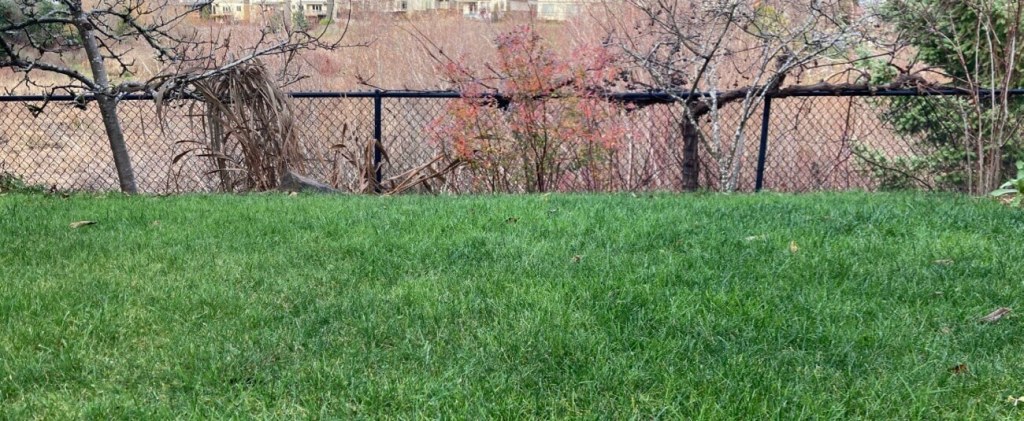
〜見た目は綺麗、でも中身はくそ。芝生とお別れです。Looks great, but crap inside. Farewell to Lawn.〜
<リスト>
- シートマルチで芝生をなくす(下記参照)。
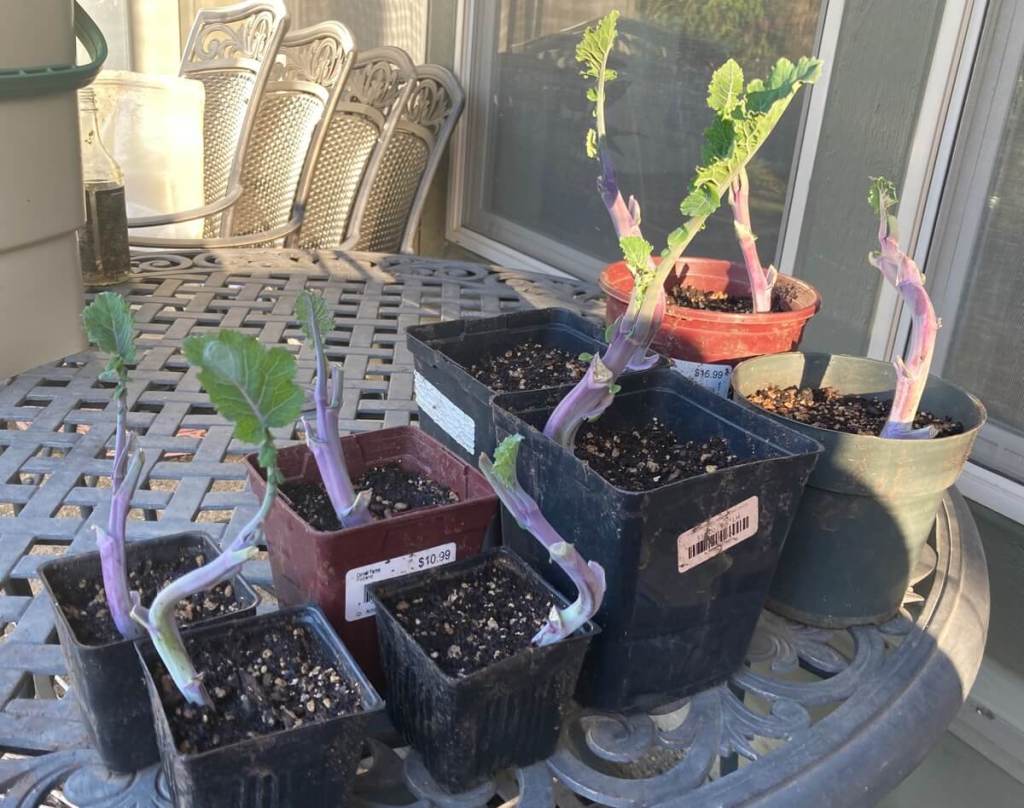
- 増やしたコラード完売!1個3ドルで5個売れました。合計15ドル😚
- 見頃(紅葉):イチョウ
- 収穫:コラード、ハーブ類
<List>
- Remove lawn by sheet mulching (See below).
- Sold all of the propagated Tree Collard! $3/pot and 5 pots sold. Total $15😚
- Peak Fall Foliage: Gingko
- Harvest: Tree Collard, Herbs
「えー、だってー、芝生って食べられないじゃないですかー。」
「え?それが理由?」
“Well, you can’t eat lawn, right?”
“Huh? Is that the reason?”
そういうわけじゃないけど、半分はそういう理由かも😅 うちには芝生を使うような犬や小さい子供がいないので、もう必要ないかなと。手入れもめんどくさいし、環境にも悪いし。
That’s not the reason, but maybe that’s half the reason😅 We don’t have a dog or small children that use the lawn, so I don’t think I need it anymore. It’s also a pain to take care of and it’s bad for the environment.
- 食べられない:文字通り
- 使えない:見た目もつまらないし、飾れるような花も咲かない
- 手入れが面倒:以下、芝生お手入れカレンダー
- 12月:最後の芝刈り
- 3月:最初の芝刈り(隔週)
- 4月:芝刈り(毎週)、施肥、デサッチング(死んだ芝生を取り除く)、エアレーション(土に穴をあけ、空気や養分が入りやすくする、業者に依頼)、種まき、雑草取り
- 5月:芝刈り(週2回)、水やり(隔週)、雑草取り
- 6月〜8月:芝刈り(毎週)、雑草取り、水やり(週2回)
- 9月:芝刈り(毎週)、水やり(毎週)、施肥、デサッチング、雑草取り
- 10月〜11月:芝刈り(隔週)
- 環境に悪い:他の植物に比べて水と肥料の必要量が多い
- 西海岸の夏はほとんど雨が降りません。6月から8月の間は週に1-2インチの水をあげないと芝生は茶色くなってしまいます。気候変動で必要な水の量も増加中。
- 多くの場合、砂利の上にほんの少しの土を敷いて芝生を植えているので根っこがあまり伸びません。うちも比較的あたらしい住宅であるので例外ではありません。根が浅いため、水分も肥料も頻繁にあげないといけない。この肥料を化学肥料で与えていると、河川に流れ出し水質汚染を起こす。
- 芝刈り機やエッジャー(芝生の端を切る機械)が手動でなければエネルギーを使う。
- 除草剤や殺虫剤を使っていると、環境汚染を起こす。
- 花粉症の原因の一つ。
- そしてこの芝生、ありとあらゆるところにあります。公園はもちろんのこと、住宅街の道路わき、個人宅のフロントヤードとバックヤード、ホテルやビジネスのランドスケープ、さらには高速道路のわきまで。全部合わせるとすごい量の芝生、さらにすごい量の環境汚染。
- Unable to eat: Literally
- Unusable: It is boring to look at and doesn’t produce decorative flowers
- Lots of work to care for: Below is a lawn care calendar
- December: Last mowing
- March: First mowing (every other week)
- April: Mowing (every week), Fertilization, De-thatching (to remove dead grass), Aeration (remove plug to distribute more air and nutrition, need to ask Lawn Care Company), Seeding, Weeding
- May: Mowing (twice a week), Weeding, Watering (every other week)
- June-August: Mowing (every week), Weeding, Watering (twice a week)
- September: Mowing (every week), Fertilization, De-thatching, Weeding, Watering (every week)
- October-November: Mowing (every other week)
- Bad for the environment: Requires more water and fertilizer than other plants
- It doesn’t rain most of the summer on the West Coast. If you don’t water your lawn 1-2 inches a week from June to August, your lawn will turn brown. The amount of water needed is also increasing due to climate change.
- In many cases, lawn is planted on top of gravel with a small amount of soil, which prevents the roots from growing as much. Our house is no exception as it is a relatively new house. Because the roots are shallow, water and fertilizer must be applied frequently. If the fertilizer is synthetic fertilizer, it will flow into rivers and cause water pollution.
- Lawn mowers and edgers (machines that cut the edge of the lawn) use energy unless they are manual.
- The use of herbicides and pesticides causes environmental pollution.
- One of the causes of hay fever.
- And lawn is everywhere. Not only in parks, but also along roadsides in residential areas, front and back yards of private houses, landscapes of hotels and businesses, and even the sides of freeways. All together, that’s a huge amount of lawn, and a big amount of environmental pollution.
そんなわけで、我が家の芝生を徐々に取り除くことにしました。芝刈りがしにくいところから順に取り除いています。始めに桜の木の北側のあまり日が当たらないところにHugelkultur Bedを作りました。もう2年近く前です。この時は芝生を掘り起こしてからHugel Bedを作りました。掘り起こした芝生をひっくり返してHugel Bedに使うためだったのですが、、、掘り起こすのすっごく大変でした😭 力も必要だったんですが、芝生って草と土だけじゃなくて中にプラスチックの網が入ってるんですよ。網をシャベルで切りながら掘り起こさないといけなかったから時間がかかってしょうがなかった!
That’s why I decided to gradually remove the lawn from my yard. I started from the areas that are difficult to mow. First, I built a Hugelkultur Bed on the north side of the cherry blossom tree, where that doesn’t get much sunlight. It was almost two years ago. That time, I dug up the lawn and made the Hugel Bed. I turned over the grass that had been dug up and use it as a part of Hugel bed. But,,,It was really hard😭 It’s not just it required a lot of strength, but also the lawn isn’t just grass and soil, it’s also made up of plastic net inside. I had to dig up the lawn while cutting the net with a shovel, so it was really time consuming!

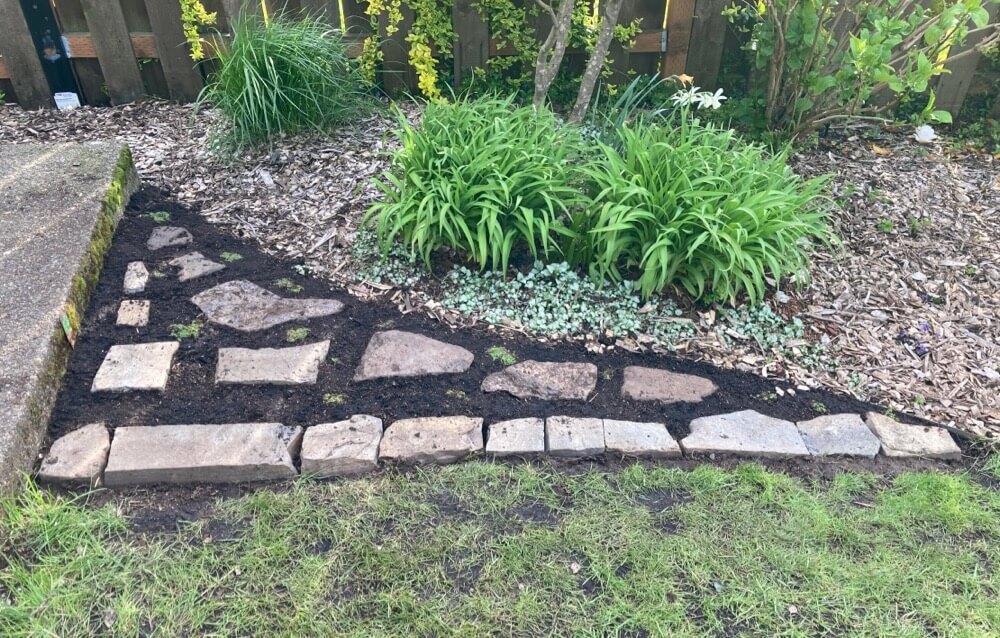
次は三角コーナーの芝生を石とグランドカバーに替えました。この時も、芝生を掘り起こしてから石を並べ、芝生をひっくり返したものの上にコンポストをまきました。
Next, I replaced the lawn in the triangular corner with stones and ground cover. At that time, too, I dug up the lawn, laid out stones, and spread compost on top of the overturned lawn.
さて、今回も石を置くんですが、今まで芝生を掘り起こすのが大変だったので、シートマルチングから始めることにしました。
Well, this time I’m going to place stones again, but since it was difficult to dig up the lawn before, I decided to start with sheet mulching.
手順
- 芝刈り
- ダンボール(テープやラベルは剥がす)を敷く
- ウッドチップをのせる
How to
- Mow the lawn
- Lay cardboard boxes (remove tapes and labels)
- Lay wood chips over cardboard
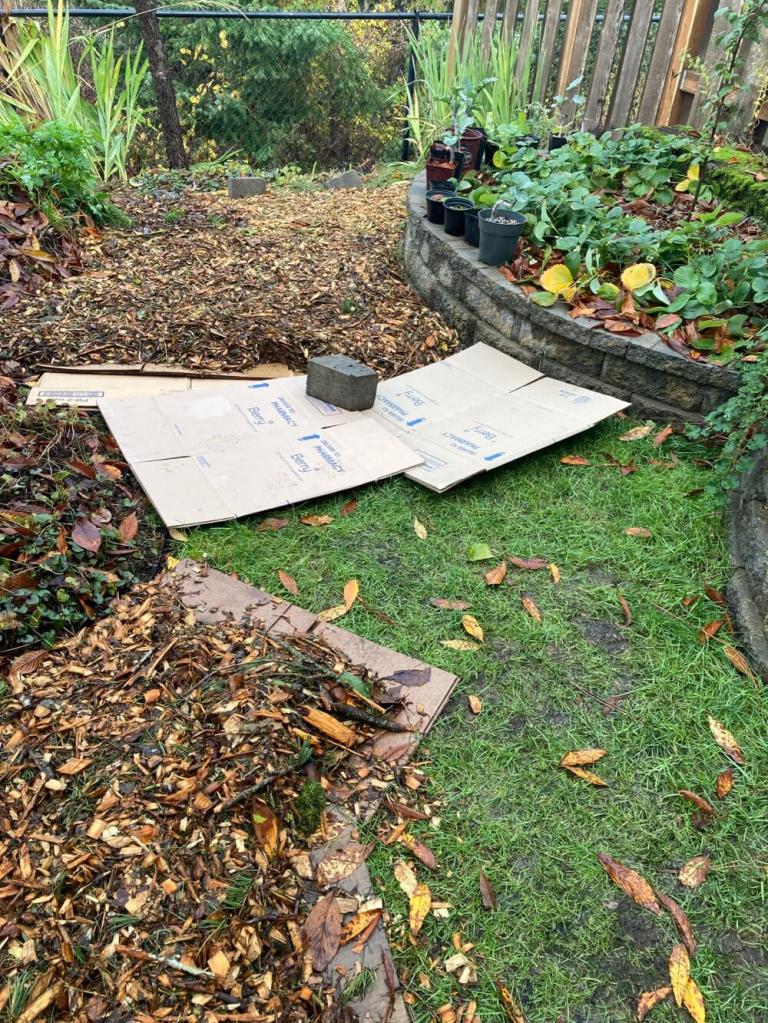
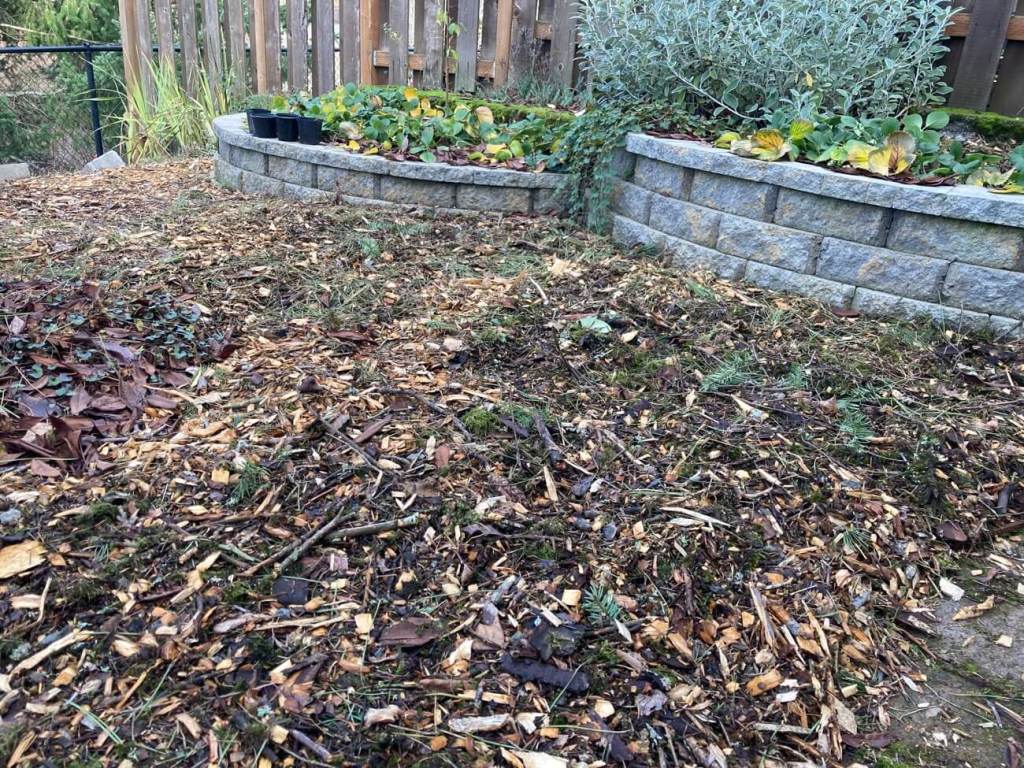
以上!簡単でしたー。あとは春になるのを待って、石を敷いたり植物を植えます。
That’s all! It was easy-. Now all that’s left to do is wait for spring to lay stones and plant plants.
おっと、忘れるところだった。Round Upは絶対使ってはいけません。発ガン性物質です。そして、土の中の微生物の敵。
Oh, I almost forgot to say this. Never use Round-up. It is a carcinogen. And a villain to microbes in the soil.


 オレゴンエコライフ Oregon Eco Life
Leave a reply to Anonymous Cancel reply